
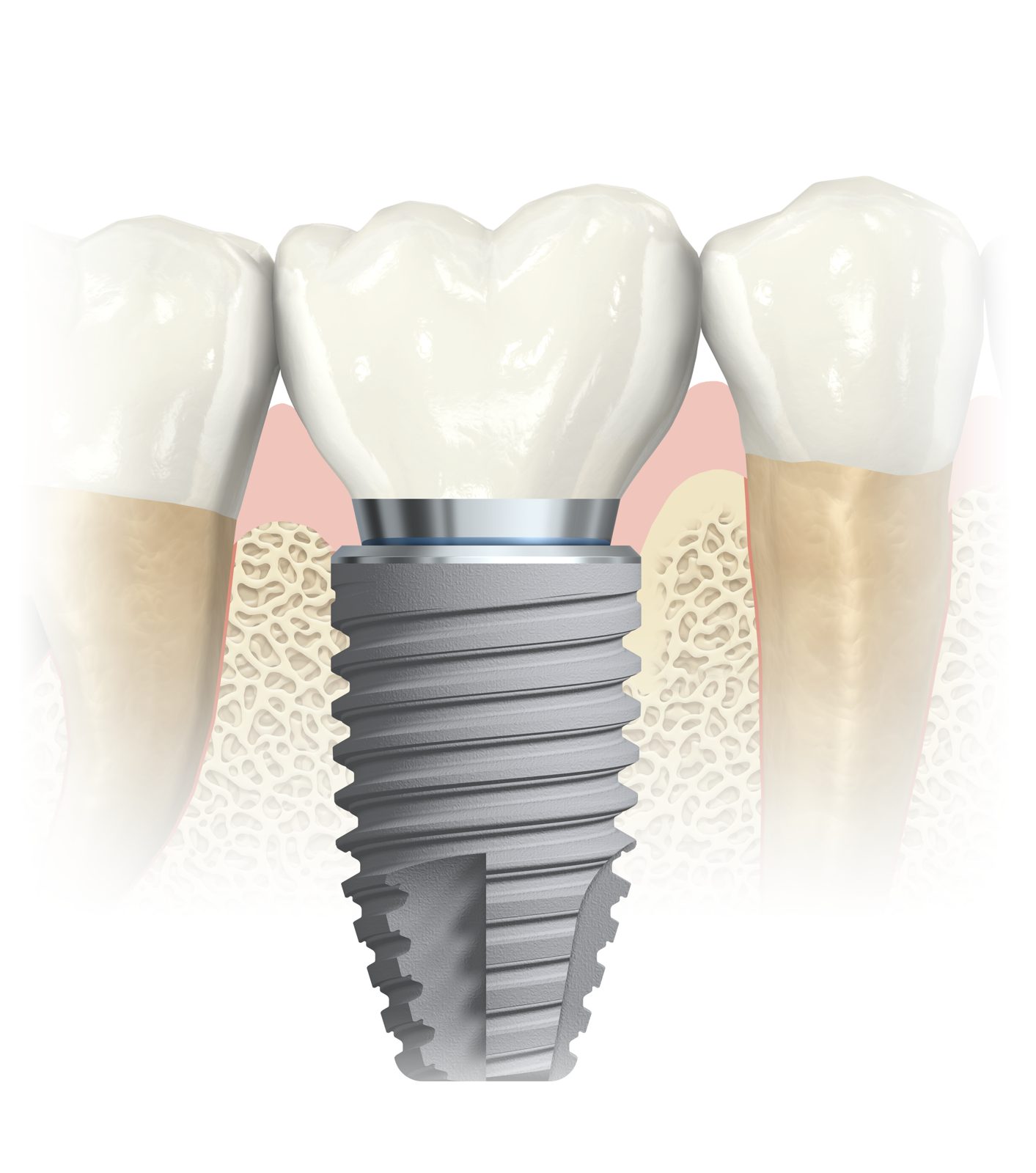
More patients are asking their own dentist about implants, and many general dental practitioners would rather provide the treatment themselves than refer every case. Adding implants to a general practice is very achievable, but it works best when training, mentoring, equipment and case selection are planned together. This guide walks through the main steps for a UK dentist starting out.
Step 1: Choose structured training
Undergraduate training does not prepare dentists to place implants, and there is no specialist list for implant dentistry in the UK. The accepted route is a structured postgraduate course that meets Training Standards in Implant Dentistry (now published by the College of General Dentistry and accepted by the GDC), combining theory, hands-on practice and supervised treatment of patients. Courses range from one-year certificates run by clinicians in practice to multi-year university programmes. Our guide on how to choose a dental implant course in the UK lists the questions worth asking.
Step 2: Arrange mentoring
The training standards expect a newly trained implant dentist to work with an experienced mentor, and the College’s Mentoring in Implant Dentistry guidelines describe how that should work. In practice, it means having someone who reviews your plans, can be present for early surgical cases and is available when something does not go to plan. Find out whether your course provides this, or use the College’s Register of Mentors in Implant Dentistry.
Step 3: Talk to your indemnity provider
Implant treatment is usually rated differently from general dentistry. Speak to your indemnity provider early, explain your training and supervision arrangements, and make sure you are covered before you treat your first patient.
Step 4: Set up the practice
You will need a surgery suitable for minor oral surgery with appropriate infection control, a surgical motor and implant kit for your chosen system, and access to CBCT – either your own scanner or a local referral service. A nurse trained to assist with implant surgery makes a real difference, so consider involving them in your training from the start. Agree a working relationship with a laboratory experienced in implant restorations.
Step 5: Start with the right cases
Your first cases should be straightforward: a single missing tooth in a healthy, non-smoking patient, with good bone volume, adequate space and no nearby anatomical risks. Leave the aesthetic zone, grafting and full-arch work until you have more experience and further training. Thorough assessment, a written treatment plan, a clear discussion of alternatives and risks, and properly documented consent are essential for every case.
Step 6: Restore and maintain
Implant treatment is not finished when the fixture is placed. Plan the restoration before surgery, follow through to the final crown, and put a maintenance and review programme in place. Long-term care – including recognising and managing peri-implant disease – is part of the responsibility you take on.
Step 7: Keep developing
As your experience grows, further training lets you take on more of the cases you would otherwise refer: bone and socket grafting, sinus augmentation, guided and navigated surgery, and full-arch treatment such as All-on-4. Keep a log of every case and your CPD – it is your evidence of competence, and it will show you how far you have come.
Further reading: guided implant surgery explained – surgical guides vs X-Guide dynamic navigation.
Training with Guy’s College
Our courses are designed for general dentists who want to become practising implant dentists. The Certificate in Implant Dentistry runs on ten Saturdays over a year at 18 Wimpole Street, London, combining lectures, hands-on practicals and live patient experience; UK-based GDC-registered dentists can treat their own patients under supervision at our clinic. The Certificate in Advanced Implant Dentistry then covers guided surgery, advanced bone grafting, full-arch restoration, sinus grafting and X-Guide navigation, and the two years together with a clinical case submission lead to the Diploma in Implant Dentistry. Every course is taught by Dr David Guy in small groups.